Commercial Storm Damage in Glenns Valley, IN
Commercial water restoration in Glenns Valley done to the IICRC S500, with desiccant drying and per suite documentation.
For Commercial Storm Damage in Glenns Valley, Glenns Valley Water Restoration brings the equipment, the certifications, and the paperwork: 24/7 response, written scopes, and insurance claim support. Call (317) 653-6821 for dispatch.
- Service: Commercial Storm Damage for Glenns Valley homeowners
- Service area: Glenns Valley, IN and surrounding areas
- Response time: Fast local response for Glenns Valley; live dispatch every hour of the year
- Licensed and insured (License #RC21100059)
- Serving Glenns Valley, IN since 2018
Commercial Storm Damage for Glenns Valley Businesses
A loss notice to the carrier on your Glenns Valley property asks when the storm hit and what has been done since. Glenns Valley Water Restoration supplies the interior half of that timeline, starting with dated photos and the first moisture readings, and keeps them together with the drying log so your broker can hand the whole set over at once.
Glenns Valley Water Restoration inspects the temporary dry in after every rain while the interior equipment is up, because a drying area that keeps taking on water never reaches its target. When a permanent repair is in the works, interior closeout in your Glenns Valley building waits for it, and the daily log shows the date each piece of the work finished.
Controlled demolition on Glenns Valley Water Restoration commercial jobs means removing the materials that can't be dried in place. Saturated batt insulation and wet lay in tile come out, and gypsum gets cut at a clean line above the wet zone where the meters justify it. Each decision gets photographed and explained to the property manager before anybody opens a wall in your Glenns Valley building.
A storm loss usually touches two parts of the policy, the building's roof and the interior that got wet. Glenns Valley Water Restoration scopes and documents them separately on your Glenns Valley property so the carrier can see what the emergency dry in covered and what the interior mitigation covered. If a roofing contractor handles the permanent repair, the team shares the interior documentation with them on request.
If water's coming into your Glenns Valley building right now, call Glenns Valley Water Restoration. A crew dispatches within two hours, day or night, to commercial properties across Glenns Valley, IN. The dry in goes over the breach, extraction starts underneath it, and the readings that support your claim start the same visit.
Signs You Need Commercial Storm Damage Restoration
If you notice any of these in your Glenns Valley building, schedule a free inspection before the issue worsens.
A supply diffuser dripping water or showing rust streaks after a storm
Corrosion on a fire sprinkler line or head where the pipe runs close to the roof deck
Brown water stains on the ceiling around a rooftop unit's duct drop after each rain
Floor drains or cleanouts that gurgle or push water up during a heavy rain
Breakers tripping in a mechanical room or electrical room that sits under a roof penetration
Water lines on the lower walls of a dock office or receiving area
Roof drain piping dripping at a joint inside a chase or above the ceiling
Grout between floor tiles darkening in a pattern that spreads a little more each day
Carpet tile that squishes underfoot along the glass line of a storefront or window wall
Water tracking under the seals of overhead dock doors and pooling in the leveler pit
How Glenns Valley Water Restoration Handles Commercial Storm Damage
We follow these steps in order on every Glenns Valley job.
Contents and Inventory Protection
Stock and equipment on wet floors get lifted onto blocking or moved to dry ground, with plastic over anything that has to stay. A photo list records what moved and where, which supports each tenant's own claim.
Moisture Mapping
Every affected space gets walked with thermal imaging and both penetrating and nonpenetrating meters. Readings are keyed to a floor plan by room or column line, so the scope covers where the water went and leaves dry areas alone.
Occupied Space Planning
Suites and corridors that must stay in service get marked on the plan before any equipment is staged, along with where the barriers go. The loud work is scheduled for hours when the space is empty.
Midpoint Scope Review
Partway through the job, the crew compares the readings with the projected equipment period and tells the property manager if the schedule or the scope has moved. Added removal is photographed and explained before the work starts.
Closeout File and Walkthrough
A walkthrough with the property manager closes the job, and the crew hands over one organized file with the photos, the readings, the equipment run hours and the scope. Ownership and the carrier's reviewer can read it start to finish.
Commercial Storm Damage in Glenns Valley
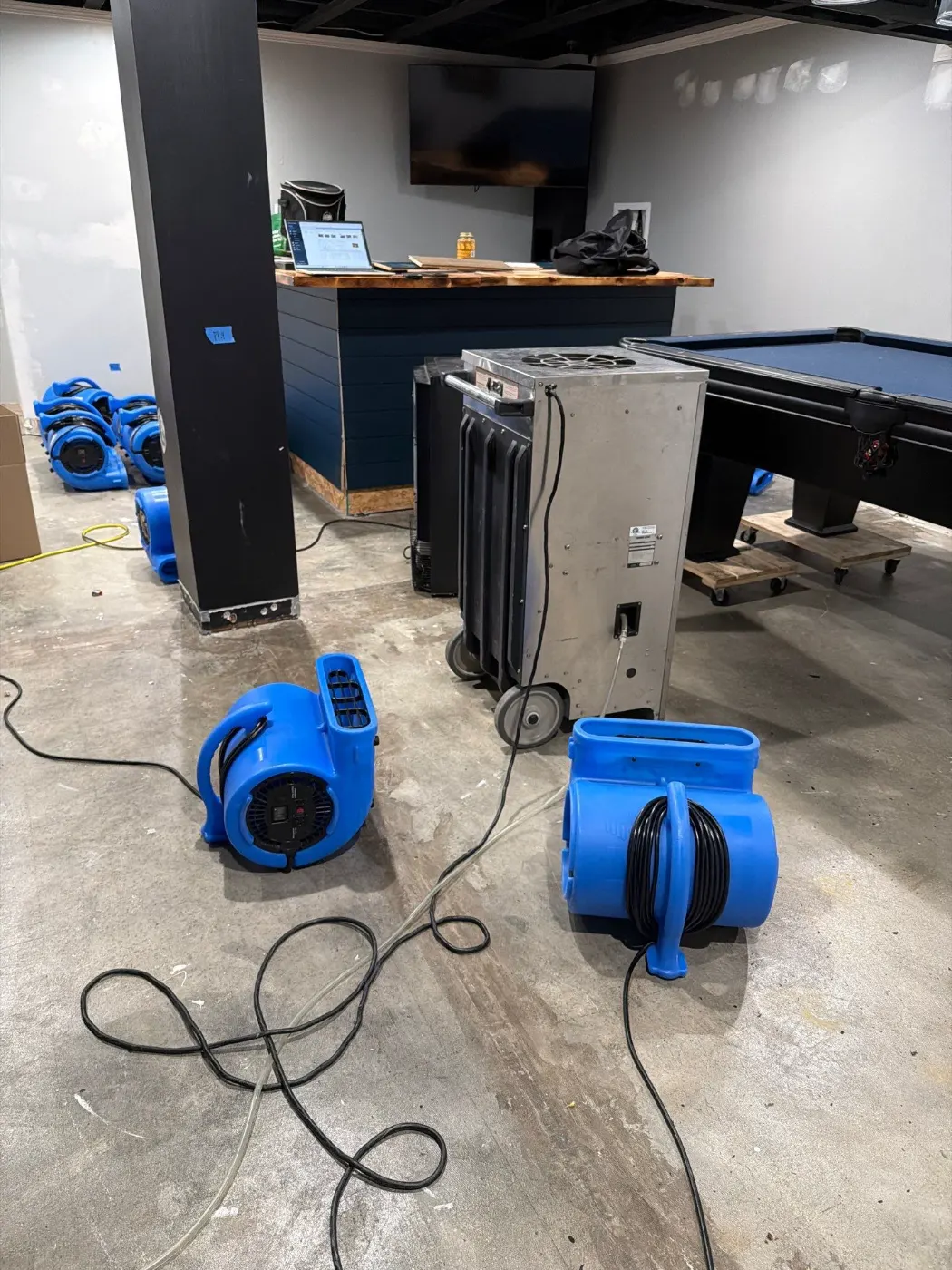
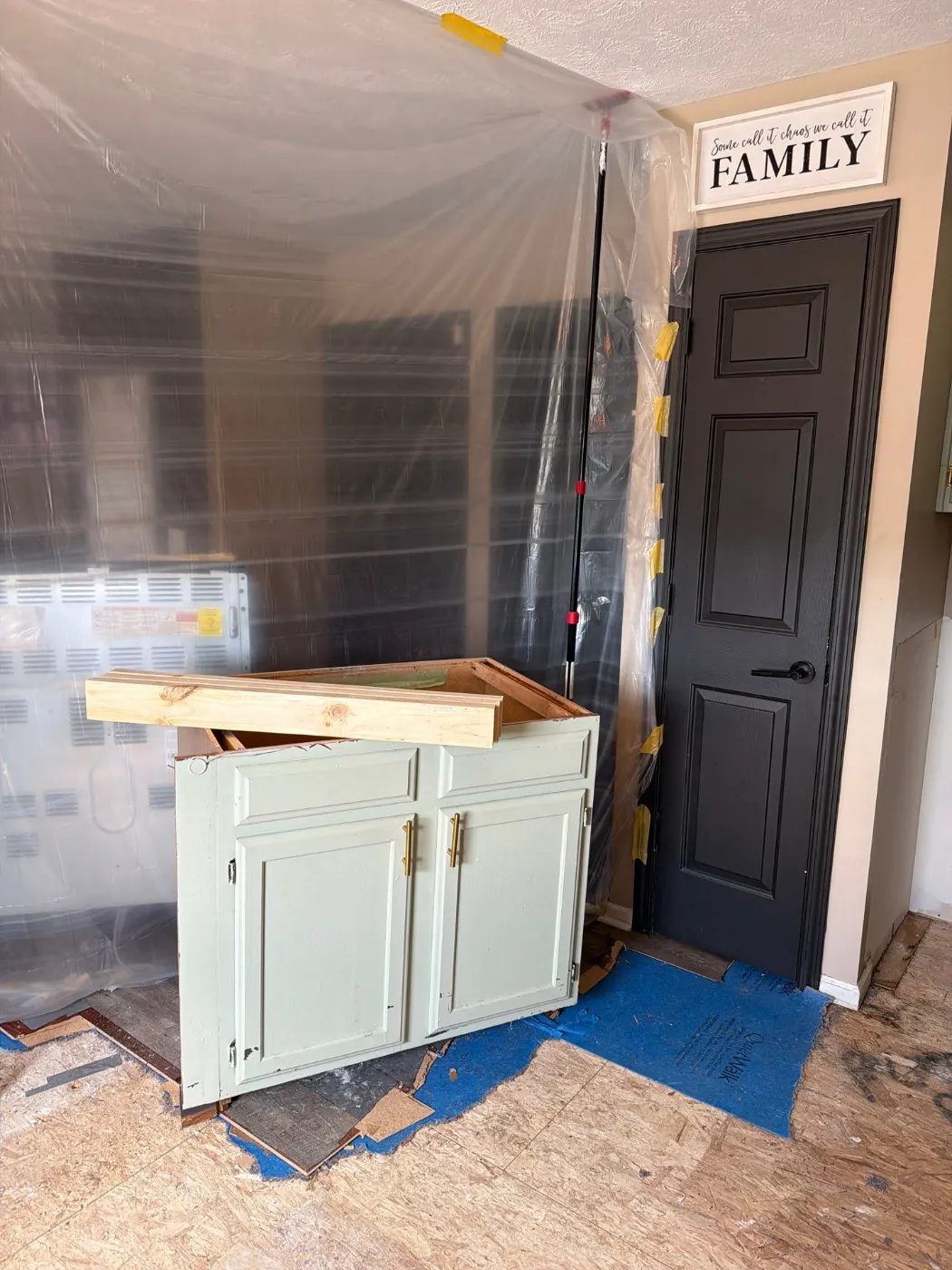
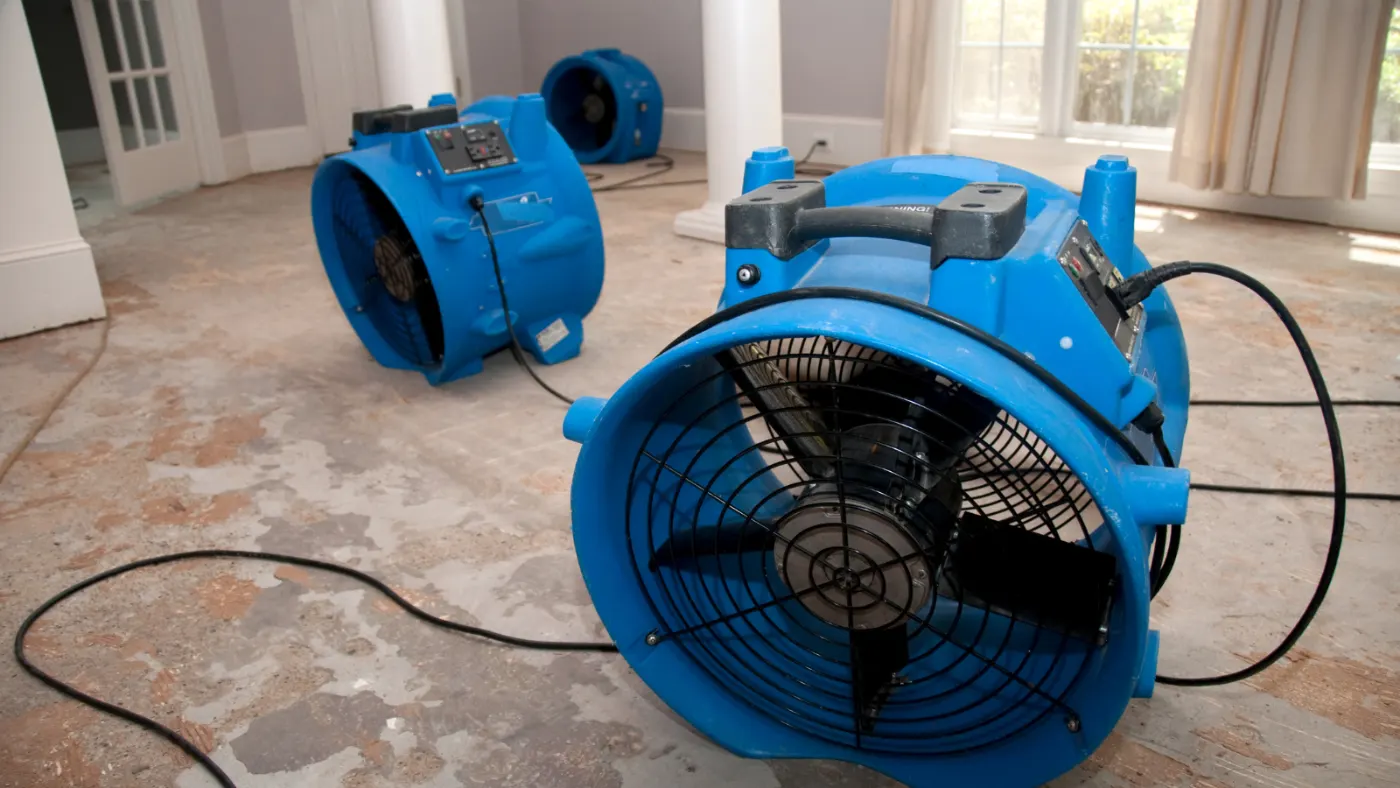
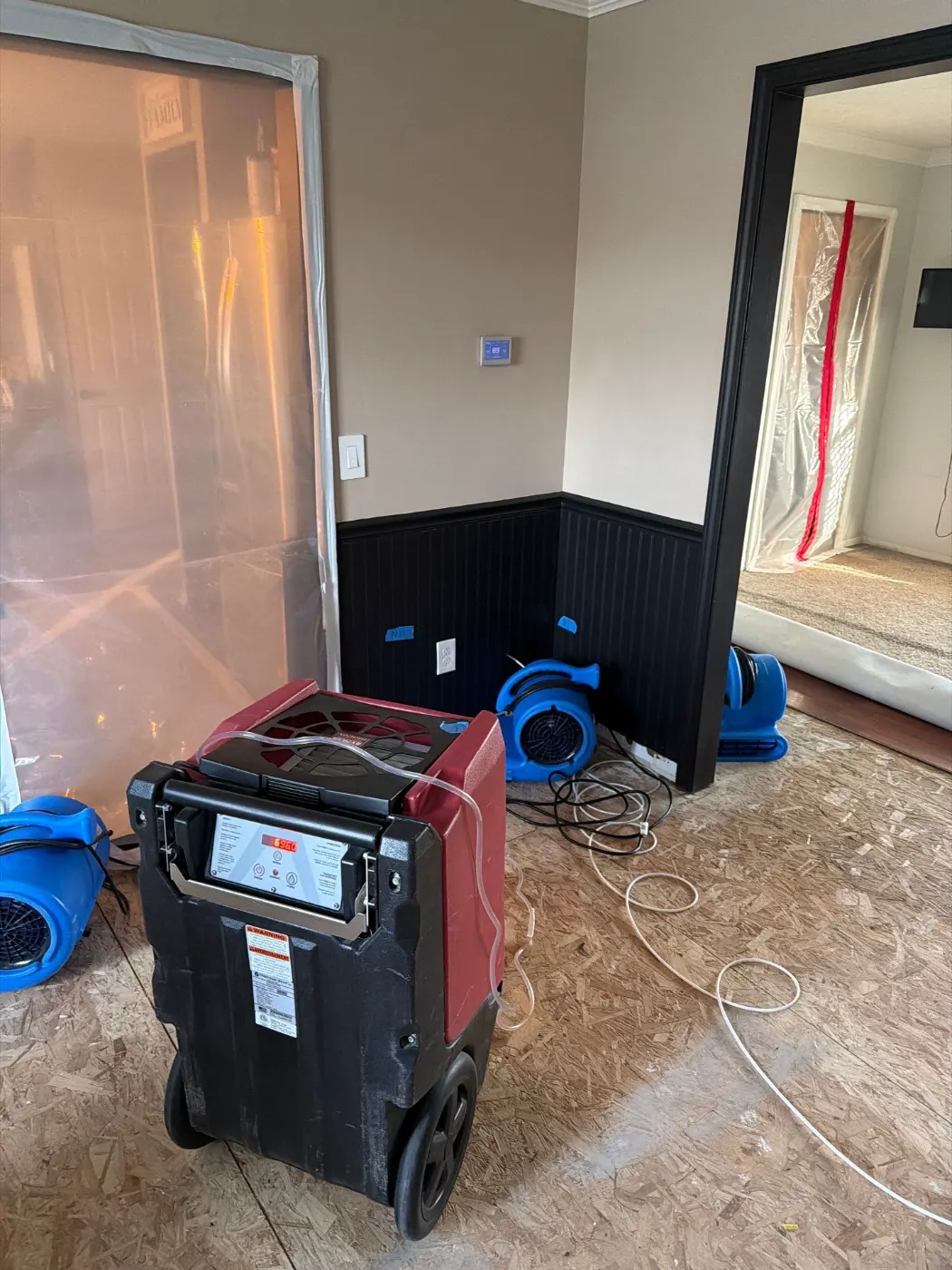
Photographs from real commercial storm damage jobs completed by our crew in Glenns Valley and surrounding areas.
Commercial Storm Damage FAQ
Questions Glenns Valley property managers ask us about commercial storm damage restoration.
Guidance and Standards for Commercial Storm Damage
- The National Weather Service office in Indianapolis posts summaries of recent central Indiana storm and flood events. NWS Indianapolis Event Summaries
- The ANSI/IICRC S500 is the published standard for professional water damage restoration. The current edition is the Fifth Edition, 2021. IICRC S500 Standard
Glenns Valley Neighborhoods We Serve
We take commercial storm damage calls in every part of Glenns Valley. Pick your neighborhood for local details.
Other Restoration Services in Glenns Valley
Glenns Valley Water Restoration handles the full scope of restoration work. Explore our other services below.
Water Damage Restoration in Glenns Valley
24/7 emergency response. IICRC certified water restoration from extraction to full dry out.
Learn more →Basement Flooding in Glenns Valley
Basement water emergencies handled fast. Extraction, drying, mold prevention.
Learn more →Sewage Cleanup in Glenns Valley
Category 3 biohazard cleanup. Full containment, decontamination, structural restoration.
Learn more →Request Commercial Storm Damage Restoration
Reach Us Directly
Our team is available 24/7 for emergencies and ready to schedule inspections during business hours.
Need Immediate Help?
For active water or mold emergencies, call us directly. We are available 24/7.