Storm Damage in Glenns Valley, IN
Storm intrusion in Glenns Valley gets a crew dispatched within 2 hours and the documentation your adjuster asks for
Searching for Storm Damage near Glenns Valley? Glenns Valley Water Restoration dispatches 24/7, documents everything, and works with your insurance carrier from first call to final walkthrough. Call (317) 653-6821.
- Service: Storm Damage for Glenns Valley homeowners
- Service area: Glenns Valley, IN and surrounding areas
- Response time: Fast local response for Glenns Valley; live dispatch every hour of the year
- Licensed and insured (License #RC21100059)
- Serving Glenns Valley, IN since 2018
Storm Damage Cleanup in Glenns Valley
We'll dry out your home in Glenns Valley after storm water gets in through the roof or the basement.
Where Storm Water Ends Up
Homes near the White River can see rising water after heavy rain.
After a storm we can be anywhere in Glenns Valley, from Southdale to the roads around Glenns Valley Nature Park and Indianapolis Sports Park. Nearby, we also dry out storm damage in Linden Wood and Greenwood.
Expert Storm Damage for Glenns Valley Homeowners
Two ceilings are stained, the hallway smells damp, and you've got no way to tell how far the water went after it came through the roof. That's normal for storm intrusion, because water follows framing and insulation sideways before it ever drops into a room. Glenns Valley Water Restoration maps the whole affected area on Glenns Valley storm losses with thermal imaging and penetrating meters, prices the work from what those readings show, and dispatches a crew within 2 hours.
Many wet ceilings can stay up if they're dried in time. Glenns Valley Water Restoration drills small ports into the cavity and pushes dry air through, which saves the drywall, the texture and the paint. When the board is saturated or sagging, it comes down on a clean cut line. The crew shows you the readings in your Glenns Valley home before deciding which way to go.
Electrical safety comes first once the crew is inside. The technician looks for water around outlets and light fixtures and keeps affected circuits off. Rooms with a bowed ceiling stay empty until the cavity is opened. If standing water reaches the panel in your Glenns Valley basement, an electrician gets called before anyone enters the room.
You keep the whole file. Glenns Valley Water Restoration hands over the photo set, the daily moisture logs, the notes on where the water came in, the itemized scope, and the final clearance readings at the end of every Glenns Valley storm job. If the claim gets reviewed months later, or you sell the house and a buyer's inspector asks about the ceiling patch, that package is the answer.
If you smell damp air every time it rains, something in the assembly's still holding water. Glenns Valley Water Restoration will find it, show you the readings, and dry it out. Crews dispatch to Glenns Valley at any hour, and you get the photo report the same day.
Signs You Need Storm Damage Restoration
If you notice any of these in your Glenns Valley home, schedule a free inspection before the issue worsens.
Mud film on a basement floor once the water has drained away
Silt left on the garage floor or mudroom tile after runoff pushed in
Recessed ceiling lights with water droplets around the trim after heavy rain
Standing water around the sump pit after the power came back on
A brown or yellow ring on a ceiling that got noticeably bigger after the last heavy rain
Furnace or water heater base sitting in water after storm runoff
A sump pump that cycles every few minutes or runs continuously during a storm
Shingles lifted, curled, or missing where you can see the roof from the ground
Flooring cupping, lifting, or separating at the seams along an exterior wall
A wet cardboard smell in a basement that was fine before the storm
How Glenns Valley Water Restoration Handles Storm Damage
We follow these steps in order on every Glenns Valley job.
Moisture Mapping
Thermal imaging and penetrating meters cover every room under and beside the intrusion, plus baseline readings in unaffected areas of the same house. The map shows how far water tracked through framing and insulation, and it's what decides which surfaces get opened.
Sump and Drain Check
The crew looks at the sump basin and the floor drains to see whether water is still entering or backing up. Anything that needs a plumber or an electrician gets noted, so the basement isn't refilling while the drying runs.
Water Extraction
Standing water gets pumped and extracted before there's any drying equipment in the room. Hard floors are squeegeed and extracted, saturated carpet pad is pulled, and carpet gets detached to reach the subfloor. Water that came in at grade also gets an antimicrobial treatment once the soaked material is out.
Wall Cavity Inspection
Baseboards and window trim come off where readings run high, and small inspection holes show whether the cavity behind them holds water. Windows and doors that took wind driven rain usually leave the wall base wet first.
Cleaning Surfaces That Stay
Framing and hard surfaces that stay get cleaned and treated with an antimicrobial once the soaked material is out. Cleaning comes before the drying equipment goes in, so the air movers aren't pushing soil around the room.
Storm Damage in Glenns Valley
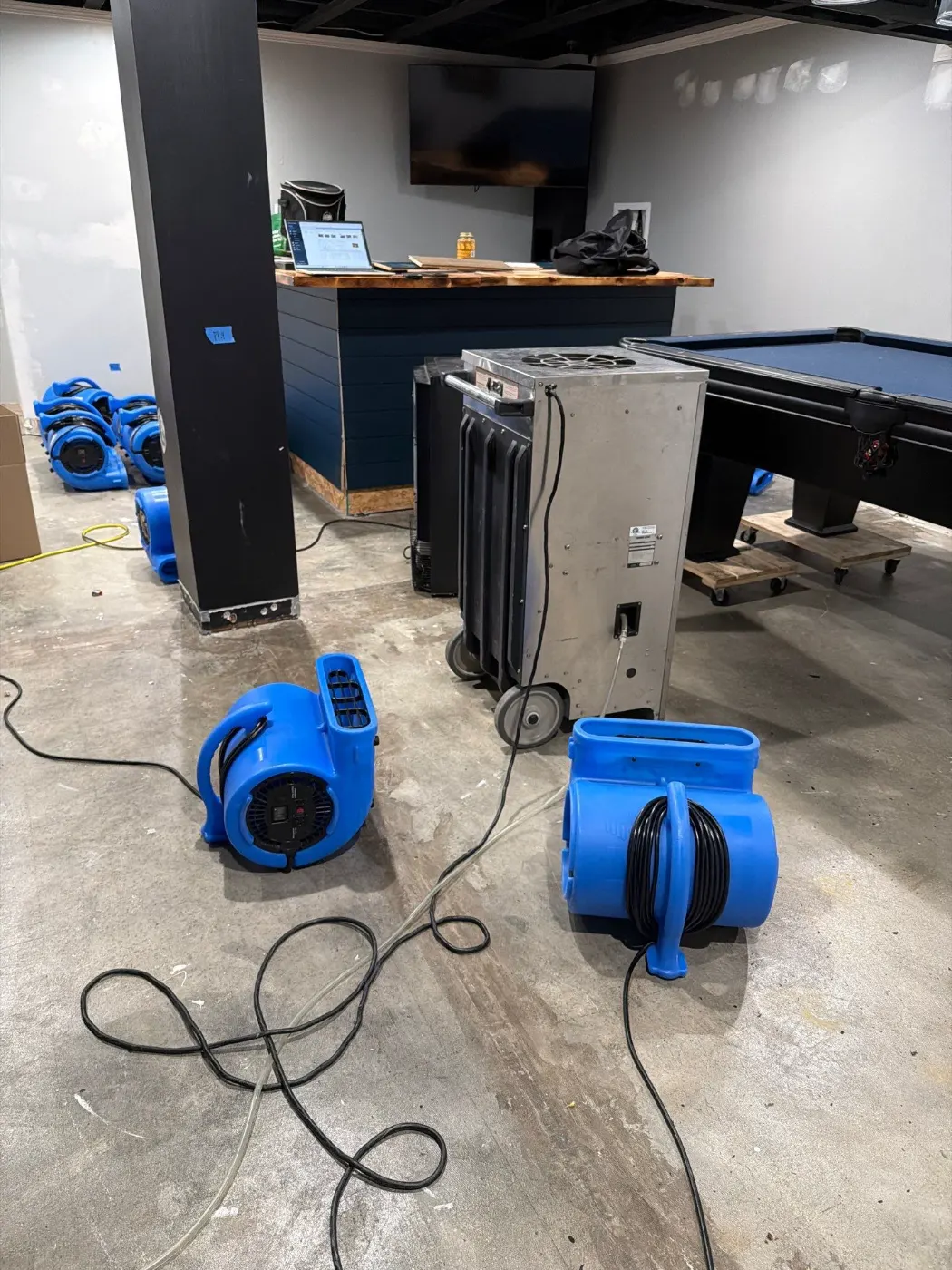
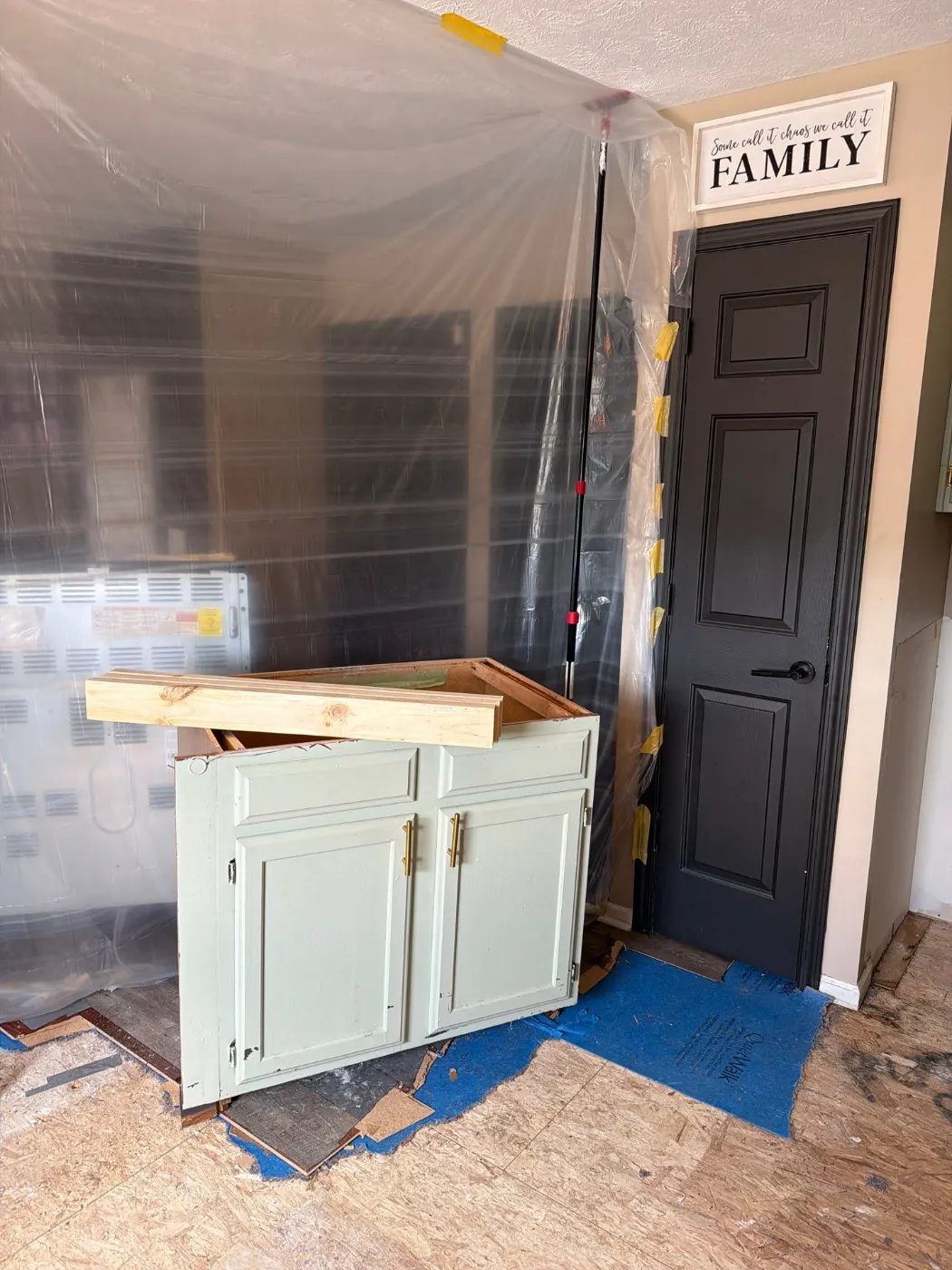
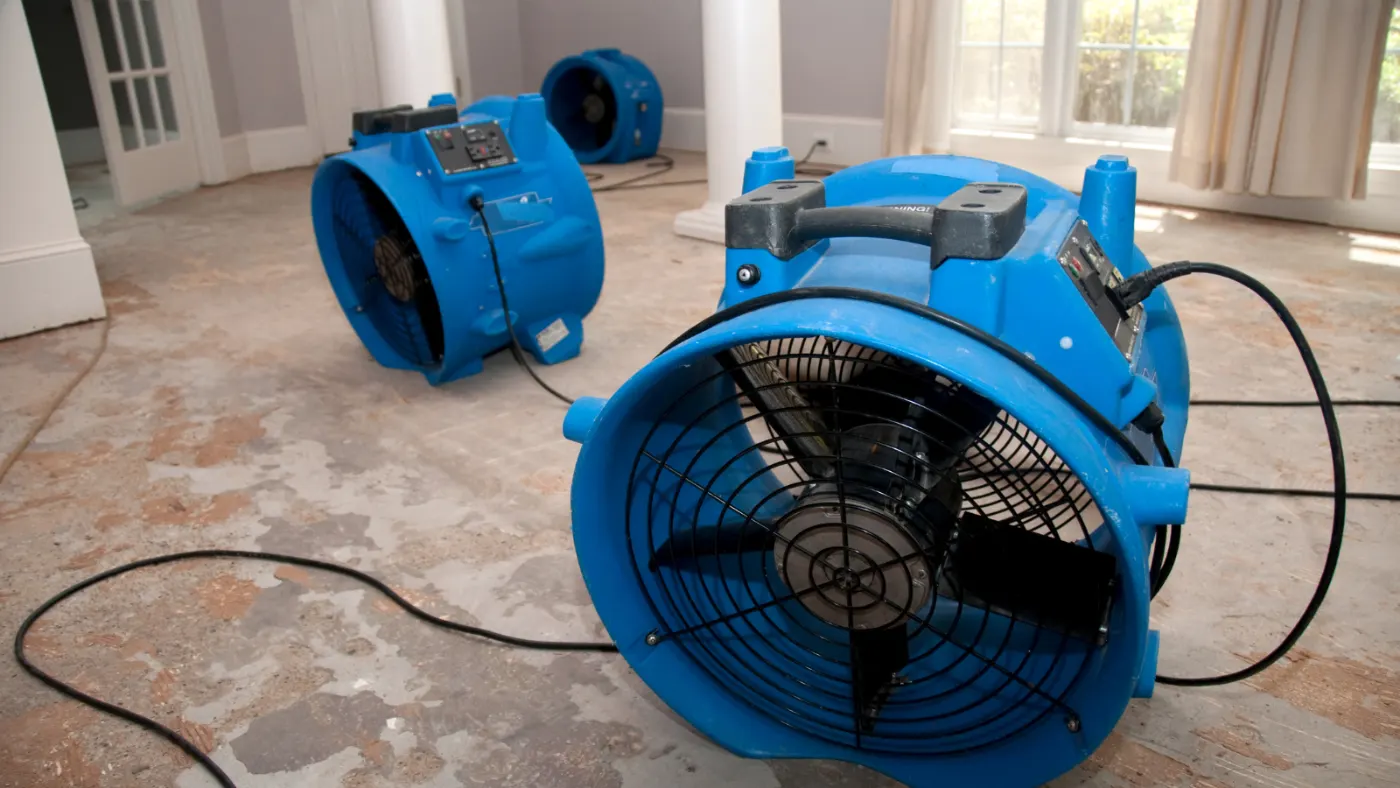
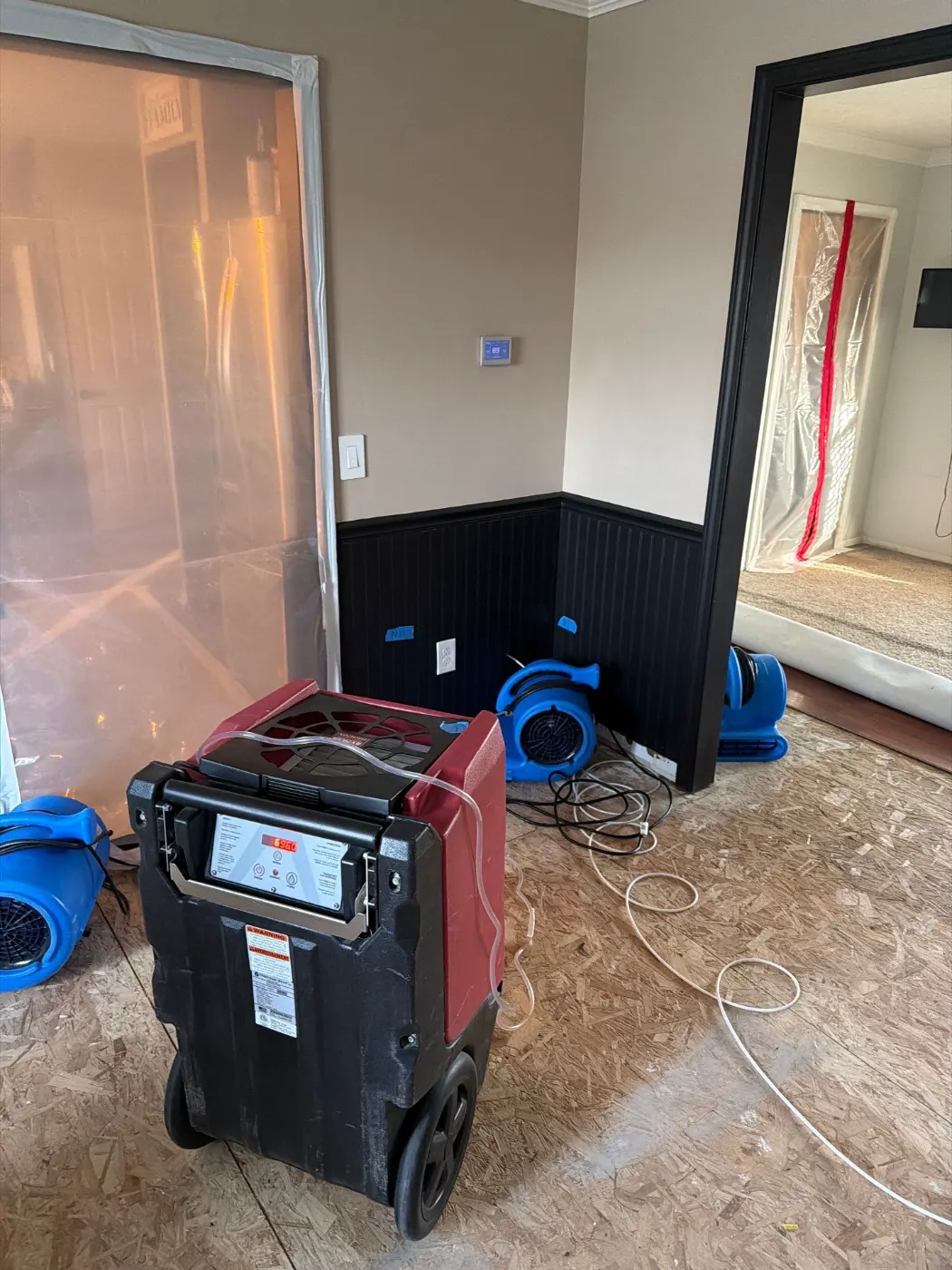
Photographs from real storm damage jobs completed by our crew in Glenns Valley and surrounding areas.
Storm Damage FAQ
Questions Glenns Valley homeowners ask us about storm damage restoration.
Guidance and Standards for Storm Damage
- The National Weather Service office in Indianapolis posts summaries of recent central Indiana storm and flood events. NWS Indianapolis Event Summaries
- The Indiana Department of Insurance advises against permanent repairs before your insurance company inspects the damage. Check your own policy for what it covers. Indiana Department of Insurance: Insurance Claim Tips
Glenns Valley Neighborhoods We Serve
We take storm damage calls in every part of Glenns Valley. Pick your neighborhood for local details.
Other Restoration Services in Glenns Valley
Glenns Valley Water Restoration handles the full scope of restoration work. Explore our other services below.
Water Damage Restoration in Glenns Valley
24/7 emergency response. IICRC certified water restoration from extraction to full dry out.
Learn more →Basement Flooding in Glenns Valley
Basement water emergencies handled fast. Extraction, drying, mold prevention.
Learn more →Sewage Cleanup in Glenns Valley
Category 3 biohazard cleanup. Full containment, decontamination, structural restoration.
Learn more →Request Storm Damage Restoration
Reach Us Directly
Our team is available 24/7 for emergencies and ready to schedule inspections during business hours.
Need Immediate Help?
For active water or mold emergencies, call us directly. We are available 24/7.