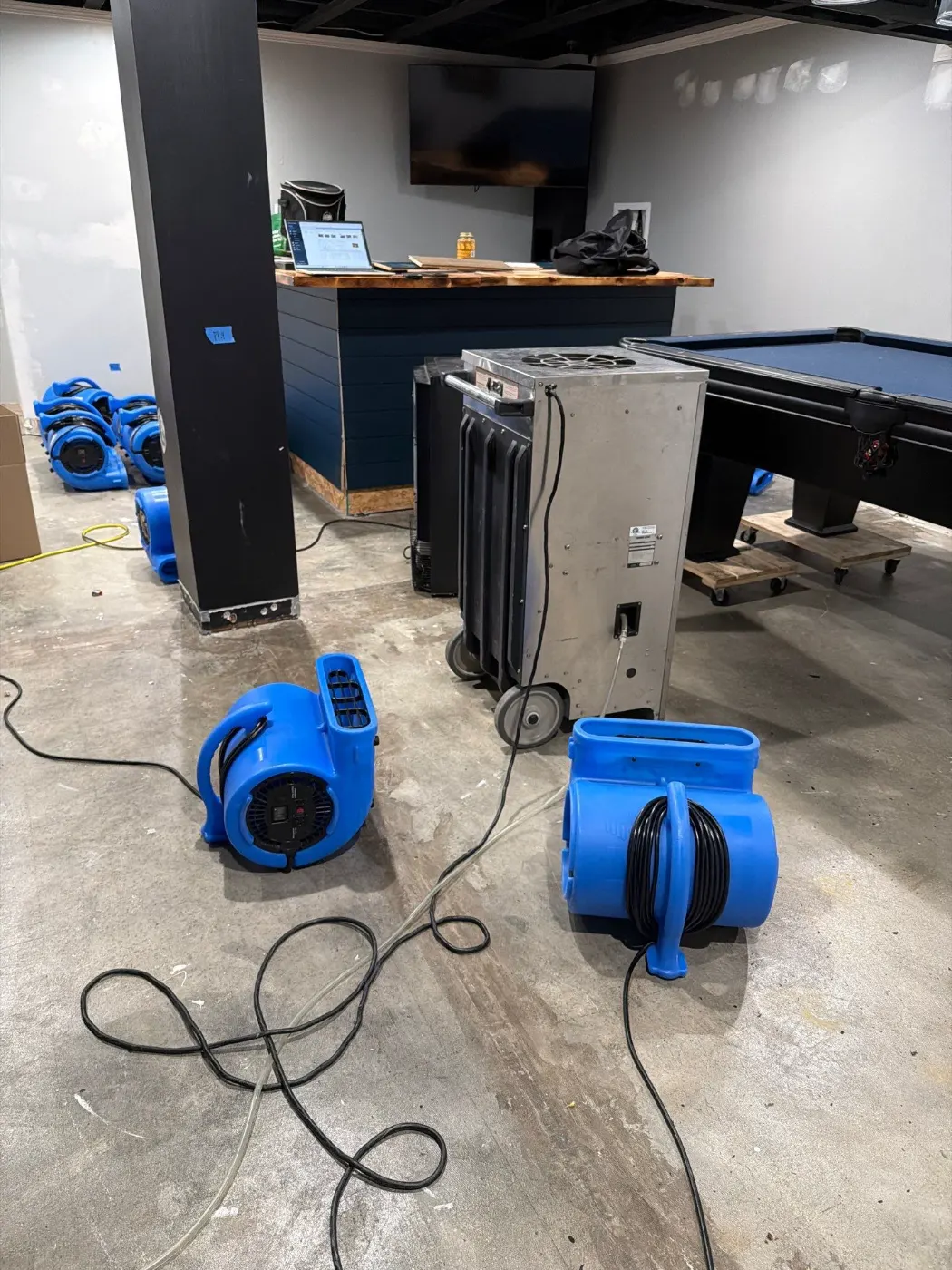
Commercial Water Restoration in Glenns Valley, IN
Commercial water damage in Glenns Valley handled with documentation your adjuster and your ownership group can both use.
Glenns Valley Water Restoration handles Commercial Water Restoration for Glenns Valley, IN homeowners: emergency dispatch around the clock, IICRC certified technicians, and insurance coordination on approved claims. Call (317) 653-6821.
- Service: Commercial Water Restoration for Glenns Valley homeowners
- Service area: Glenns Valley, IN and surrounding areas
- Response time: Same day emergency response for Glenns Valley; 24/7 availability
- Licensed and insured (License #RC21100059)
- Serving Glenns Valley, IN since 2018
Commercial Water Damage Restoration in Glenns Valley
We handle commercial water damage restoration throughout Glenns Valley, and we'll stay on it from the first walkthrough to the final moisture readings.
Site Conditions
Properties near the White River carry added flood risk in heavy rain. Freeze and thaw cycles each winter can burst pipes in unheated parts of a commercial building. Your building's own drains and roof get checked on the first walkthrough with whoever manages the property.
We cover commercial properties across Glenns Valley, including the area around Perry Meridian High School and the West Southport Road corridor. We also handle commercial water losses in Southern Dunes and Linden Wood.
Commercial Water Restoration for Glenns Valley Businesses
Heavy rain backed something up, and now water is coming in at ceiling level and tracking down interior columns and wall cavities. The visible wet spot is the smallest part of it. Glenns Valley Water Restoration dispatches crews to commercial water losses in Glenns Valley within 2 hours with thermal imaging and meters to find where the water went, then dries the assemblies it reached before the gypsum board and insulation go bad.
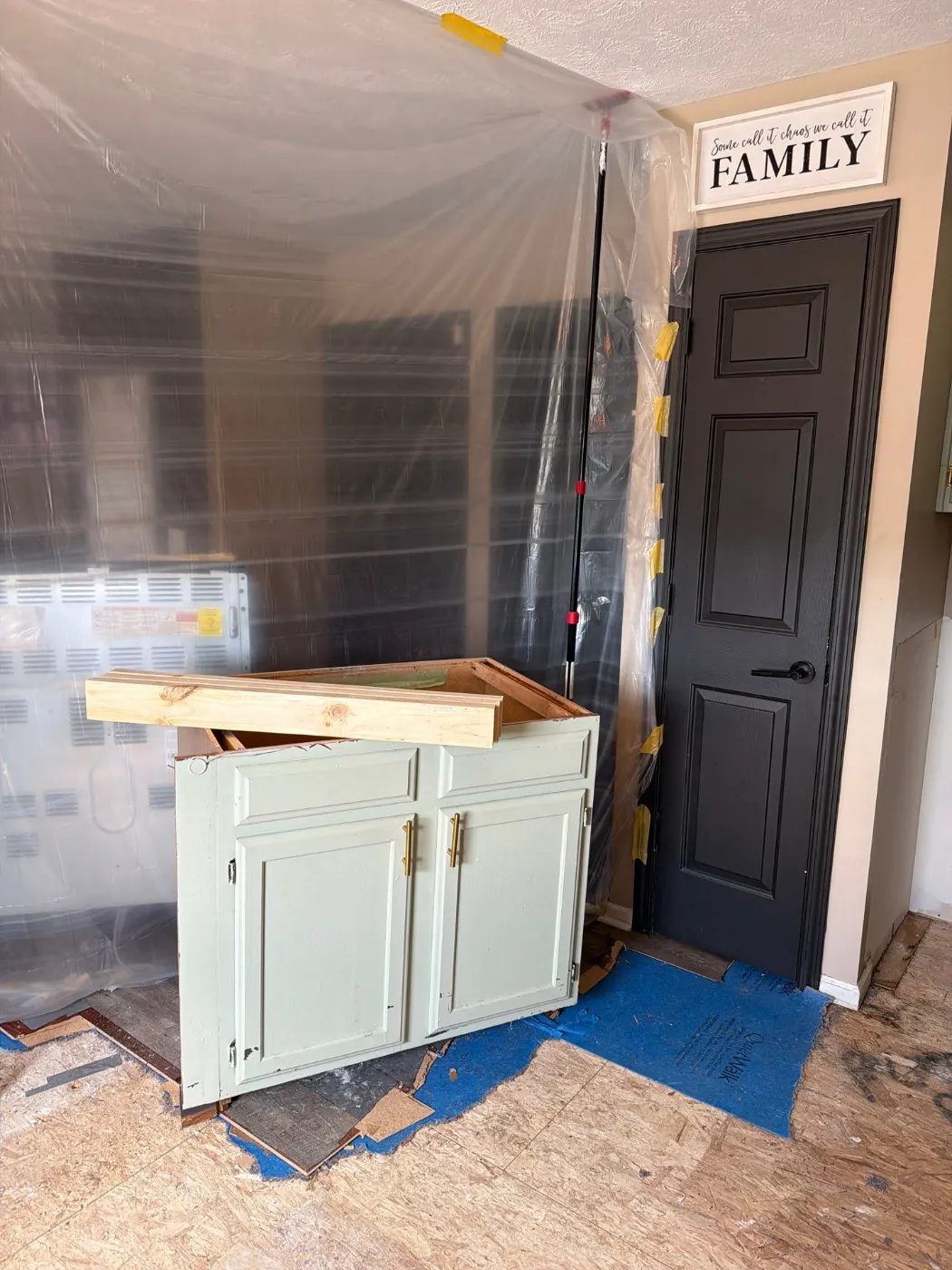
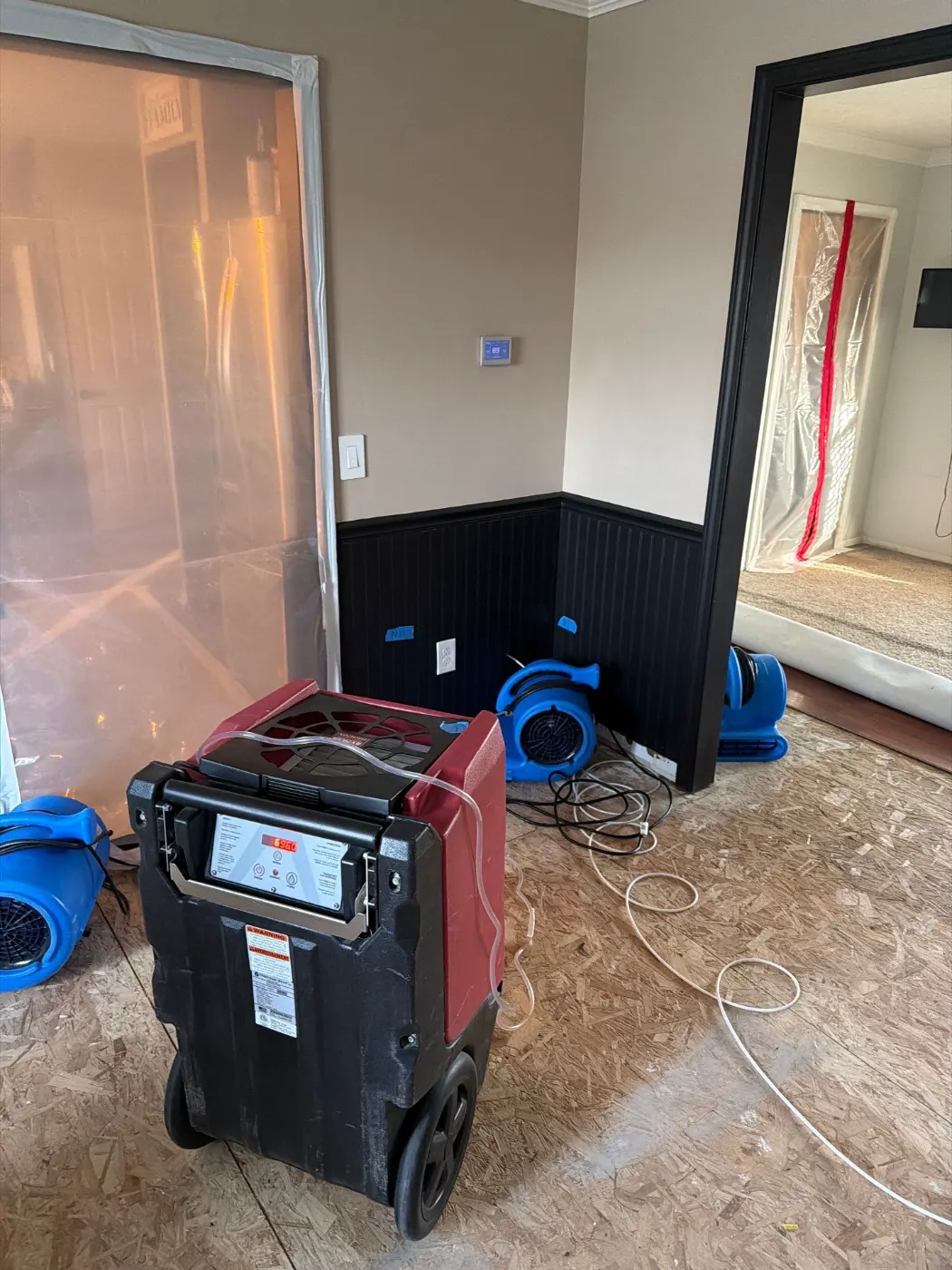
Most commercial drying happens in a building that stays partly occupied, so containment does as much work as the dehumidifiers. Glenns Valley Water Restoration crews build negative pressure zones, run HEPA air scrubbers and keep corridors and egress paths clear. Tenants outside the containment in your Glenns Valley building keep working while the wet zone dries behind plastic, and the boundary moves in as the wet area shrinks.
Source repairs and drying overlap on most jobs in Glenns Valley. Once the plumber or the HVAC technician finishes, the crew rereads the closest points and watches the next morning's numbers for any rise. A line that's still seeping shows up in the log as a rise, which gives you a dated reason to call the trade back.
Choose one person to speak for the property with the carrier and give that person the file. Conflicting accounts from different staff members slow a claim down. Glenns Valley Water Restoration sends every update for your Glenns Valley building to that one contact, with the readings and photographs attached, so the carrier hears a single version of events.
A water loss that sits overnight costs more to dry in the morning. Glenns Valley Water Restoration takes commercial emergency calls in Glenns Valley at any hour and dispatches within 2 hours. The person who answers can tell you what to shut off and what to move while the crew is on the road.
Signs You Need Commercial Water Restoration
If you notice any of these in your Glenns Valley building, schedule a free inspection before the issue worsens.
Recessed lights flickering or a breaker tripping in a room with a stained ceiling
A damp ring spreading across a suspended ceiling tile directly below a plumbing riser
Brown stains forming on ceiling tiles beneath a roof drain location after a storm
Musty odor at a return air grille that gets stronger when the HVAC runs
Resilient tile seams popping loose, with tiles rocking underfoot along a corridor
Sewage backing up at a floor drain in a restroom, kitchen or loading area
Carpet seams darkening along a corridor even though the surface feels dry
An interior roof drain leader gurgling or backing up during heavy rain
Cove base pulling away from gypsum board along a corridor or exterior wall
The boiler or water heater room floor wet with no source anybody can point to
How Glenns Valley Water Restoration Handles Commercial Water Restoration
We follow these steps in order on every Glenns Valley job.
Engineering Walkthrough
Walkthrough runs with your building engineer to isolate the source, confirm which risers and panels are involved, and identify occupied areas that have to keep operating. Access needs and after hours windows get set during the same visit.
Containment and Zone Planning
Affected areas get polyed off and put under negative pressure where the water category calls for it, with corridors and egress kept clear. Zone boundaries get drawn with your management office so unaffected tenants keep working.
Selective Removal
Material comes out of your Glenns Valley building where the meters and the water category support it, and stays where it can dry in place. Each cut is photographed and logged by location, and the list is reviewed with you in writing.
Claim Documentation Package
Photographs by area, daily moisture logs, equipment placement and hour records, category justification, and scope itemized by suite all go into one file. You and your broker submit it and make coverage decisions with your carrier.
Repair Scope Handoff
Glenns Valley Water Restoration lists every removed material by room with measurements and photographs. Your repair contractor prices from that list and the final readings, and the slab results tell the flooring installer when the floor is ready.
Commercial Water Restoration in Glenns Valley
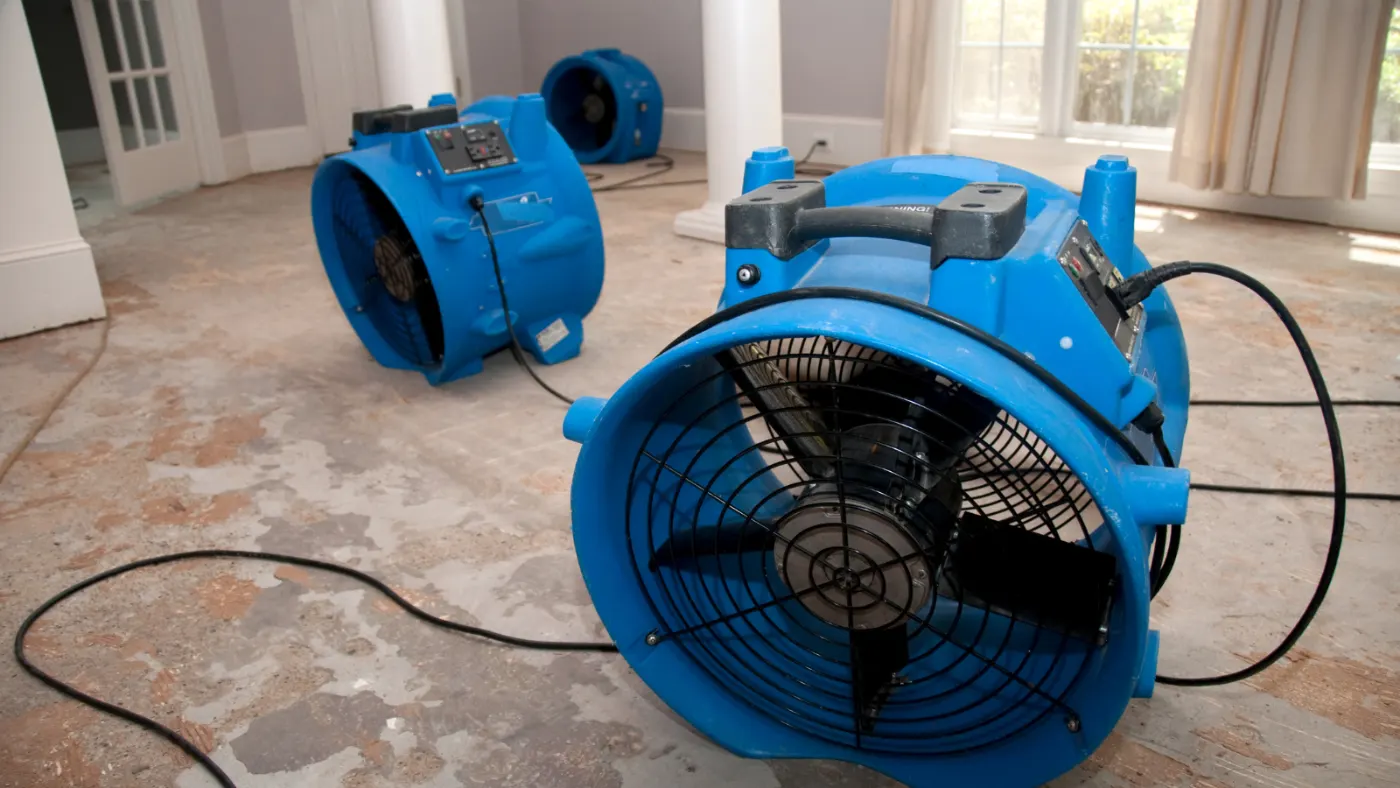
Photographs from real commercial water restoration jobs completed by our crew in Glenns Valley and surrounding areas.
Commercial Water Restoration FAQ
Questions Glenns Valley property managers ask us about commercial water restoration.
Guidance and Standards for Commercial Water Restoration
- The ANSI/IICRC S500 is the published standard for professional water damage restoration. The current edition is the Fifth Edition, 2021. IICRC S500 Standard
- EPA advises drying water damaged areas and items within 24 to 48 hours to prevent mold growth. EPA: A Brief Guide to Mold, Moisture and Your Home
Glenns Valley Neighborhoods We Serve
We take commercial water restoration calls in every part of Glenns Valley. Pick your neighborhood for local details.
Other Restoration Services in Glenns Valley
Glenns Valley Water Restoration handles the full scope of restoration work. Explore our other services below.
Water Damage Restoration in Glenns Valley
24/7 emergency response. IICRC certified water restoration from extraction to full dry out.
Learn more →Basement Flooding in Glenns Valley
Basement water emergencies handled fast. Extraction, drying, mold prevention.
Learn more →Sewage Cleanup in Glenns Valley
Category 3 biohazard cleanup. Full containment, decontamination, structural restoration.
Learn more →Request Commercial Water Restoration
Reach Us Directly
Our team is available 24/7 for emergencies and ready to schedule inspections during business hours.
Need Immediate Help?
For active water or mold emergencies, call us directly. We are available 24/7.